The Economic Consequences of the Peace

Resumen
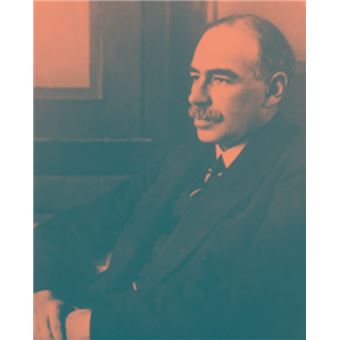
John Maynard Keynes (5 June 1883 21 April 1946), was a British economist whose ideas have profoundly affected the theory and practice of modern macroeconomics, as well as the economic policies of governments. He greatly refined earlier work on the causes of business cycles, and advocated the use of fiscal and monetary measures to mitigate the adverse effects of economic recessions and depressions. In the 1930s, Keynes spearheaded a revolution in economic thinking, overturning the older ideas of neoclassical economics. His ideas are the basis for the school of thought known as Keynesian economics.The Economic Consequences of the Peace was written in 1919. Keynes attended the Versailles Conference as a delegate of the British Treasury and argued for a much more generous peace. It was a best seller throughout the world and was critical in establishing a general opinion that the Versailles Treaty was a "Carthaginian peace". It helped to consolidate American public opinion against the treaty and involvement in the League of Nations.This edition is specially formatted with a Table of Contents and several images of Keynes and Keynesian economics.

eBook con Kobo by Fnac
Miles de libros en cualquier parte gracias al libro electrónico de Kbo by Fnac. Una experiencia de lectura óptima tan cómoda con leer un libro en papel
DescubrirOpiniones de clientes
Sé el primero en dar
tu opinión sobre el producto
Características
- ISBN
-
9781475308174
- SKU
-
1001898415